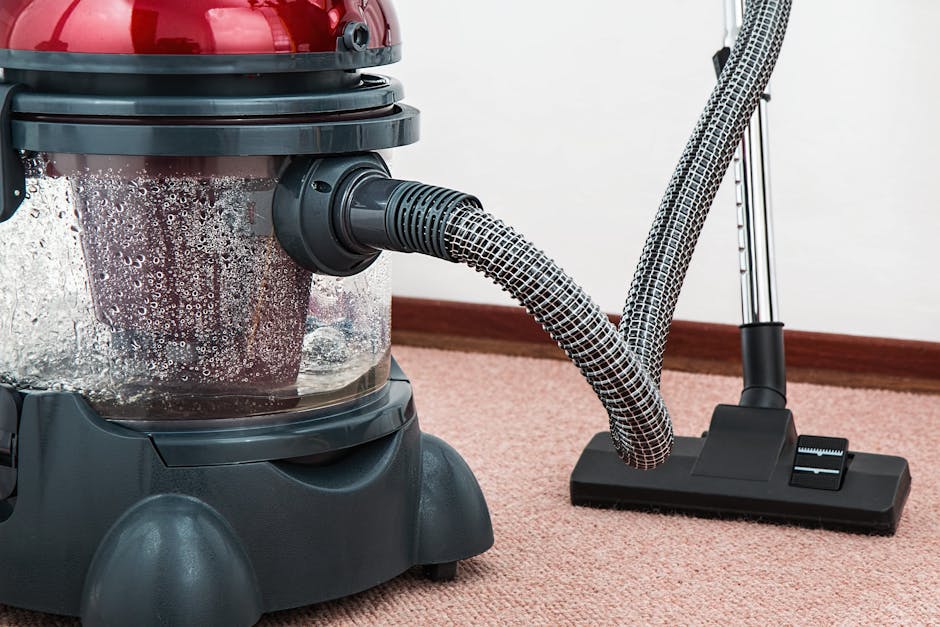
Bedfont Lakes Feltham carpet cleaning guide for lakeside homes
If you live near Bedfont Lakes in Feltham, you already know the setting is a bit special. The greenery, the water, the foot traffic, the changeable weather - it all adds charm, and a few carpet-cleaning headaches too. This Bedfont Lakes Feltham carpet cleaning guide for lakeside homes is designed for exactly that kind of home: places where damp shoes, muddy edging, pet paw prints, and everyday living can leave carpets looking tired faster than you expect. The good news? With the right approach, carpets in lakeside homes can stay cleaner, fresher, and easier to maintain.
In the next sections, you'll find a practical breakdown of what makes lakeside carpet care different, how professional cleaning works, what to avoid, and how to choose the right method for your flooring. No fluff. Just useful advice you can actually use.
Table of Contents
- Why this matters in Bedfont Lakes homes
- How the cleaning process works
- Key benefits and practical advantages
- Who needs this and when it makes sense
- Step-by-step guidance
- Expert tips for better results
- Common mistakes to avoid
- Tools, resources and recommendations
- Law, compliance, standards, and best practice
- Options, methods, and comparison table
- Case study or real-world example
- Practical checklist
- Conclusion
- Frequently asked questions
Why Bedfont Lakes Feltham carpet cleaning guide for lakeside homes Matters
Lakeside homes are lovely, but they can be hard on carpets in ways that are easy to miss. Moisture is the obvious one, but it's not the only one. Think about the sort of day-to-day pattern most homes around a green, waterside setting deal with: wet shoes after a walk, fine grit from paths, a bit of pollen in spring, and the occasional smell that seems to hang in the air after rain. Carpets hold on to all of that. They're basically quiet little storage units for whatever gets walked in.
That matters because carpet fibres don't just affect appearance. They affect how a room feels, how clean it smells, and how well a property holds its finish over time. In a lakeside home, a carpet can go from neat to shabby surprisingly quickly if the underlying moisture and dirt aren't managed properly. To be fair, most people only notice once the high-traffic areas start to look flattened or patchy.
This is also where seasonal changes make a difference. In wet months, fibres can stay damp for longer after cleaning or after heavy use. In warmer months, pollen and dust can settle more visibly. And if you've got patio doors open in summer, or kids racing in and out all year round, the carpet near entrances can take the brunt of it.
For local homeowners, a good approach is not just about a deep clean now and then. It's about setting up the house so dirt is easier to manage in the first place. That means smart entrance habits, the right cleaning method, and a sensible schedule for maintenance. If you are already comparing service levels, it helps to look at a specialist carpet cleaning service rather than a one-size-fits-all solution.
How Bedfont Lakes Feltham carpet cleaning guide for lakeside homes Works
The best carpet-cleaning approach for a home near Bedfont Lakes depends on three things: fibre type, level of soiling, and how much moisture the carpet can safely handle. That's the simple version. The slightly more useful version is this: you need a method that removes embedded dirt without leaving the carpet too wet or damaging the backing.
In practice, professional cleaning usually starts with an inspection. A cleaner looks at the carpet fibre, the pile height, the condition of seams and edges, and the types of marks present. Mud is handled differently from drink spills. Pet accidents are different again. It sounds obvious, but it's amazing how much better the result is when the method matches the problem.
For many homes, hot water extraction is the main deep-clean technique. You may also hear people call it steam cleaning, though in everyday use it's really a controlled hot-water process rather than actual steam. The carpet is pre-treated, agitated where needed, then rinsed with a solution and extracted so as much soil and moisture as possible is removed. That extraction stage is the bit that matters most if you're trying to avoid a damp, lingering feel after the job.
Some carpets, especially delicate natural fibres or older fitted carpets, may do better with lower-moisture methods or carefully targeted stain treatment. That's where a proper assessment saves money and hassle. Not every carpet needs the same treatment, and not every stain should be attacked with the same product. A thoughtful cleaner will also check whether adjacent items need attention too, such as rugs, soft furnishings, or curtains that trap odour and dust. If so, options like rug cleaning, upholstery cleaning, or curtain cleaning may be worth considering as part of the same refresh.
Key Benefits and Practical Advantages
A well-planned carpet clean does more than brighten a room. It can make everyday life easier, and in a lakeside setting that is worth quite a lot. Here are the main benefits people notice.
- Less visible dirt in entrance areas. Hallways and living rooms stop looking tired so quickly.
- Improved indoor freshness. Damp footwear, pet smells, and general household odours are less likely to linger.
- Better fibre lift. Flattened pile often looks revived after proper cleaning and grooming.
- More reliable stain removal. Tackling marks early usually gives better results than waiting months.
- Longer carpet life. Removing grit reduces wear, especially on paths between doors and main seating areas.
- More comfortable rooms. A clean carpet simply feels better underfoot. Simple as that.
There's also a practical resale and rental benefit. A carpet that looks cared for tends to make the whole home feel better maintained. That's not just cosmetic. Buyers and tenants notice the atmosphere of a place, even if they don't consciously say so. A room that smells clean and looks fresh gives a very different impression from one that feels a bit closed-in.
Another advantage is that a proper deep clean can reveal what's actually happening with the carpet. Sometimes what looks like a permanent stain is just a compacted layer of soil. Sometimes the issue is traffic-lane wear, not dirt at all. Knowing the difference helps you choose the right fix instead of guessing and making things worse.
Who This Is For and When It Makes Sense
This guide is useful if you live in or around Bedfont Lakes, Feltham, and your home sees a bit more moisture, mud, or foot traffic than average. That includes families with young children, pet owners, people with garden access from the living room, and anyone whose hallway becomes the unofficial landing zone for wet coats and trainers.
It also makes sense if you've noticed one of these signs:
- the carpet smells slightly musty after rainy spells
- traffic areas look darker than the rest of the room
- pet odours return even after vacuuming
- stains keep reappearing after you clean them yourself
- the pile feels crunchy or rough underfoot
- the carpet takes ages to dry after spillages or DIY cleaning
If you're only dealing with light surface dust, regular vacuuming may be enough for now. But if the carpet has a dull look, or the room starts to feel a bit heavy and stale, that's usually the point where professional attention pays off.
There's a local angle here too. Lakeside homes are often exposed to more variable conditions: open windows, damp air, people coming and going from walks, and a bit of everything from outdoors. That combination is exactly where carpets can benefit from more consistent care. It's not glamorous, but it is effective.
Step-by-Step Guidance
If you want a sensible approach to carpet cleaning in a lakeside home, start here.
- Assess the carpet honestly. Look at the traffic areas, stains, odours, and any damp-feeling patches. Don't just clean the obvious mark and hope for the best.
- Vacuum thoroughly. Go slowly, especially along edges, skirting lines, and under movable furniture. A rushed vacuum leaves grit behind.
- Spot test any product. Always test in a small hidden area first. A little caution saves a lot of trouble later.
- Identify the stain type. Mud, food, pet urine, wine, and grease all need different treatment. One bottle does not rule them all.
- Choose the right method. High-moisture methods suit many synthetic carpets, while some delicate fibres need a gentler touch.
- Control moisture. In lakeside homes, drying time matters. Open ventilation where possible and avoid over-wetting.
- Finish with pile grooming. Brushing the pile in one direction helps the carpet dry more evenly and look neater.
- Protect high-use areas. Entry mats, runners, and furniture placement can reduce wear once the cleaning is done.
A quick example: if the hallway carpet has tracked-in mud from lakeside walks, don't scrub the mud deeper into the pile while it's still wet. Let it dry, vacuum first, then treat the remaining mark. That small change can make a noticeable difference. Honestly, it's one of those annoyingly simple things that works.
For homes with stubborn spots or recurring marks, stain removal guidance or a targeted steam carpet cleaning approach may be a better fit than a general once-over.
Expert Tips for Better Results
Good carpet care is often about small habits, not dramatic interventions. A few changes can keep carpets in far better shape between deep cleans.
- Use entrance mats outside and inside. They catch grit before it spreads through the home.
- Vacuum more often than you think you need. In wet-weather months, twice weekly in busy areas is sensible.
- Act on spills quickly. The first 10 minutes often matter more than the product you use.
- Blot, don't rub. Rubbing pushes stains outward and frays the pile. It's a classic mistake.
- Keep airflow moving after cleaning. Cross-ventilation helps drying and reduces any lingering damp smell.
- Watch furniture feet. If heavy pieces sit on damp carpet too soon, you can get marks or pile distortion.
- Separate odour from stain. A stain may be gone while the smell remains. That often means the problem went deeper.
If you have pets, you'll want to be even more deliberate. Fur, dander, and the occasional accident can all settle into fibres. In that case, a specialist approach such as pet stain and odour removal can be far more effective than household cleaning products alone. A decent cleaner won't just mask the smell. They'll look at what caused it and treat that layer too.
One more thing: don't assume more product means better results. It usually means more residue. And residue attracts dirt. Bit of a trap, that one.
Common Mistakes to Avoid
Most carpet problems after cleaning come from a handful of avoidable mistakes. Here's what tends to go wrong.
- Over-wetting the carpet. Too much moisture can prolong drying and encourage musty odours.
- Using the wrong chemical. Bleach-style or aggressive products can change colour or damage fibres.
- Scrubbing too hard. This can spread stains and roughen the carpet surface.
- Ignoring the underlay. If liquid reaches deeper layers, the visible top may look fine while odour remains below.
- Cleaning only the stain, not the surrounding area. Rings and patchy results often come from cleaning too narrowly.
- Letting furniture sit back too soon. Marks and compression can set in if the carpet is still damp.
- Forgetting to vacuum before deep cleaning. Loose dirt turns into sludge once moisture is added. Not ideal.
A lot of people also make the understandable mistake of trying to solve every issue in one go. But sometimes the right answer is a staged clean: first remove soil, then deal with odour, then address any lingering traffic wear. That slower approach often gets a better finish.
Tools, Resources and Recommendations
You don't need a van full of specialist gear to keep a lakeside home in good condition, but the right tools help. At minimum, most homes benefit from:
- a vacuum with adjustable height and edge-cleaning ability
- clean white cloths or absorbent towels for blotting spills
- a gentle, fibre-safe carpet spotter
- an upholstery attachment for stairs and soft furnishings
- door mats that can actually trap grit, not just look nice
If you're booking professional help, ask a few sensible questions. What cleaning method will be used? How long will it take to dry? Is pre-treatment included? What happens if a stain responds differently than expected? These questions are ordinary, not fussy. They help you judge whether the service is truly tailored.
It's also smart to think beyond the carpet itself. Damp or dusty curtains and soft furniture can affect the same room environment, especially in homes that sit close to water or green space. If a room still smells stale after the carpet is cleaned, there may be another source nearby. In that situation, looking at sofa cleaning or mattress cleaning can make a surprising difference.
For homeowners comparing providers, it helps to review practical information such as pricing and quotes, payment and security, and the company's approach to insurance and safety. Those details matter more than slick sales language, frankly.
Law, Compliance, Standards, or Best Practice
Carpet cleaning is usually straightforward, but good providers still need to work safely and responsibly. In UK homes, best practice generally means using products and methods that are suitable for domestic interiors, protecting floors and furnishings, and handling chemicals carefully. If a cleaner is entering your home, you should expect them to act in line with sensible health and safety practice, and to be transparent about what they're doing.
That includes protecting children, pets, and sensitive surfaces, especially where moisture or cleaning solutions are involved. It also means clear communication if something is at risk of discolouration or if a stain may not lift completely. A trustworthy cleaner should explain likely outcomes without overselling them. No dramatic promises, no miracle talk.
If you are hiring a company, it is reasonable to check that they publish their policies clearly, including information on health and safety, privacy, and complaints handling. That's not red tape for the sake of it. It's part of making sure the service is accountable and professional. For more background, a provider's published health and safety policy and terms and conditions can help you understand expectations before anyone starts work.
Where sustainability matters to you, it's also fair to ask about product use, waste reduction, and disposal habits. Homes near natural spaces often have owners who care about this more than average, and quite rightly so. If that's a priority, a company's recycling and sustainability information is worth a look.
Options, Methods, or Comparison Table
Not every carpet needs the same treatment. Here's a simple comparison to help you think through the main options.
| Method | Best for | Pros | Watch-outs |
|---|---|---|---|
| Vacuuming and spot care | Light everyday maintenance | Quick, low cost, helps prevent build-up | Won't remove deep soil or odours |
| Hot water extraction | Most synthetic fitted carpets | Good deep clean, strong soil removal, fresh finish | Needs proper drying time |
| Low-moisture cleaning | Delicate carpets or faster turnaround needs | Shorter drying period, gentler on some fibres | May need more targeted stain work |
| Stain-specific treatment | Spills, pet accidents, isolated marks | Focused, efficient, useful when a whole-room clean is unnecessary | Must match the stain and fibre correctly |
For most lakeside homes, hot water extraction is the common deep-clean choice, but it is not automatically the right answer every time. If the carpet is older, delicate, or already prone to moisture retention, a more measured method may be safer. That's where experience matters. A good cleaner will not force the same process on every room just because it's the easiest one for them.
If your carpets are in decent condition but one or two rooms need attention, targeted work can be more cost-effective than a whole-house clean. If the house has a consistent smell or a general dullness, though, doing just one room can leave the rest of the property feeling odd by comparison. Bit of an awkward mismatch, really.
Case Study or Real-World Example
Picture a typical lakeside home near Bedfont Lakes: a family entrance hallway, a lounge with patio doors, and a small downstairs room used for visiting relatives and the occasional dog bed. After a wet season, the hallway carpet starts to look darker than the rest of the flooring. The lounge smells faintly damp after rainy days, even though there's no obvious leak. The dog has also left a few hidden marks near the skirting.
In a situation like that, the first step is not to panic or replace the carpet. More often than not, the issue is accumulated soil, moisture from shoes, and a few unresolved stains. A good clean would begin with thorough vacuuming, then stain-specific pre-treatment, then a suitable extraction method with controlled moisture. After that, the room would need good airflow and a little patience. No rushing furniture back into place.
What usually surprises homeowners is how much fresher the room feels once the carpet, sofa edge, and nearby curtains are cleaned together. The whole room suddenly feels lighter. Not showroom-perfect, just properly cared for. And that's the point, really. You want the room to feel like home, only cleaner and easier to live in.
For homes where soft furnishings are part of the problem, combining carpet care with sofa cleaning or upholstery cleaning is often the more rounded approach.
Practical Checklist
Use this quick checklist before and after cleaning.
- Vacuum all carpeted areas slowly and thoroughly
- Check for mud, drink spills, pet stains, and traffic wear
- Test cleaning products in a hidden area first
- Choose a method suited to the fibre and the stain
- Keep moisture under control during cleaning
- Increase airflow while the carpet dries
- Move furniture back only when the carpet is properly dry
- Use mats and sensible entry habits to prevent repeat soiling
- Review whether adjacent items also need attention
- Book professional help if stains keep returning or smells remain
Expert summary: in lakeside homes, the best carpet results usually come from three things working together: regular maintenance, the right cleaning method, and careful drying. If one of those is missing, the finish tends to suffer. Keep it simple, and be a bit fussy about moisture. That's where the win is.
Conclusion
Carpet cleaning for Bedfont Lakes homes is not just a routine chore. It's part of keeping a waterside property comfortable, presentable, and genuinely pleasant to live in. The local environment brings extra damp, dirt, and odour risks, but it also rewards good upkeep. A fresh carpet changes the feel of a room more than people expect.
If you take one thing from this guide, let it be this: match the cleaning method to the carpet, the stain, and the way your home actually gets used. That one decision saves a lot of stress. And if you're unsure, ask questions before anyone starts work. A trustworthy cleaner should be happy to explain the process in plain English.
Get a free quote today and see how much you can save.
For more background on the company, you can also review the about us page, or get in touch through the contact page when you're ready. A little care now goes a long way later, and honestly, that's a good feeling.
Frequently Asked Questions
How often should carpets in Bedfont Lakes homes be professionally cleaned?
It depends on traffic, pets, and how much outdoor dirt gets tracked in. In many homes, once or twice a year is sensible, but busy family homes may need more frequent attention in high-use rooms.
Is steam carpet cleaning safe for all carpet types?
No, not automatically. While hot water extraction is suitable for many synthetic carpets, delicate fibres or older carpets may need a lower-moisture method. Always check the fibre type first.
Why do carpets near lakeside homes get dirty so quickly?
Wet footwear, fine grit, humidity, and open-door living all contribute. Carpets near entrances and patios often show wear first because they collect the most debris.
What is the best way to remove mud from carpet?
Let it dry, vacuum it up, then treat any remaining stain carefully. Scrubbing wet mud usually pushes it deeper into the pile and makes the mark worse.
How long does carpet drying usually take after cleaning?
That varies with the method used, carpet thickness, room ventilation, and the weather. Good airflow makes a big difference, especially in homes where moisture tends to linger.
Can professional carpet cleaning help with pet smells?
Yes, especially when the odour has soaked beyond the surface. A specialist approach such as pet stain and odour removal is often more effective than standard cleaning alone.
Should I clean the carpet or the sofa first?
It often makes sense to do both in the same session if the room feels stale or dusty. Carpets and upholstery can hold similar odours, so cleaning one without the other sometimes gives a half-finished result.
What should I do before a cleaner arrives?
Clear small items from the floor, move light furniture if you can do so safely, and point out any stains or problem areas. That helps the cleaner plan properly and avoid delays.
Are all carpet stains removable?
Not always. Some stains are permanent, especially if they have chemically altered the fibre or been left for a long time. Still, many marks can be improved a lot with the right process.
How do I know if my carpet needs deep cleaning or just vacuuming?
If the carpet looks dull, smells stale, or has visible traffic lanes and recurring spots, deep cleaning is probably due. If it only has surface dust, vacuuming may be enough for now.
What questions should I ask before booking carpet cleaning?
Ask which method will be used, how long drying will take, whether stain treatment is included, and whether the company has clear policies on safety and complaints. Those answers tell you a lot.
Is it worth cleaning curtains or rugs at the same time?
Often, yes. If a room has a lingering smell or a dusty feel, nearby textiles may be part of the issue. Services like rug cleaning and curtain cleaning can help complete the refresh.